Arpita
/AH-R-P-IH-T-AA/
Dedicated, offered, surrendered to the divine with open hands — Arpita is the past participle of 'arpan' (offering), naming a child as something consecrated, given to God before she was given to the world
Get Arpita's full report — nakshatra, rashi & a portrait — freeQuick — what every Hindu parent asks about Arpita:
How well does Arpita fit your family?
This page tells you what Arpita means. The app tells you whether it's right for your baby — scored against your family & your heritage, and your baby's birth details.
Unlock Arpita's score — free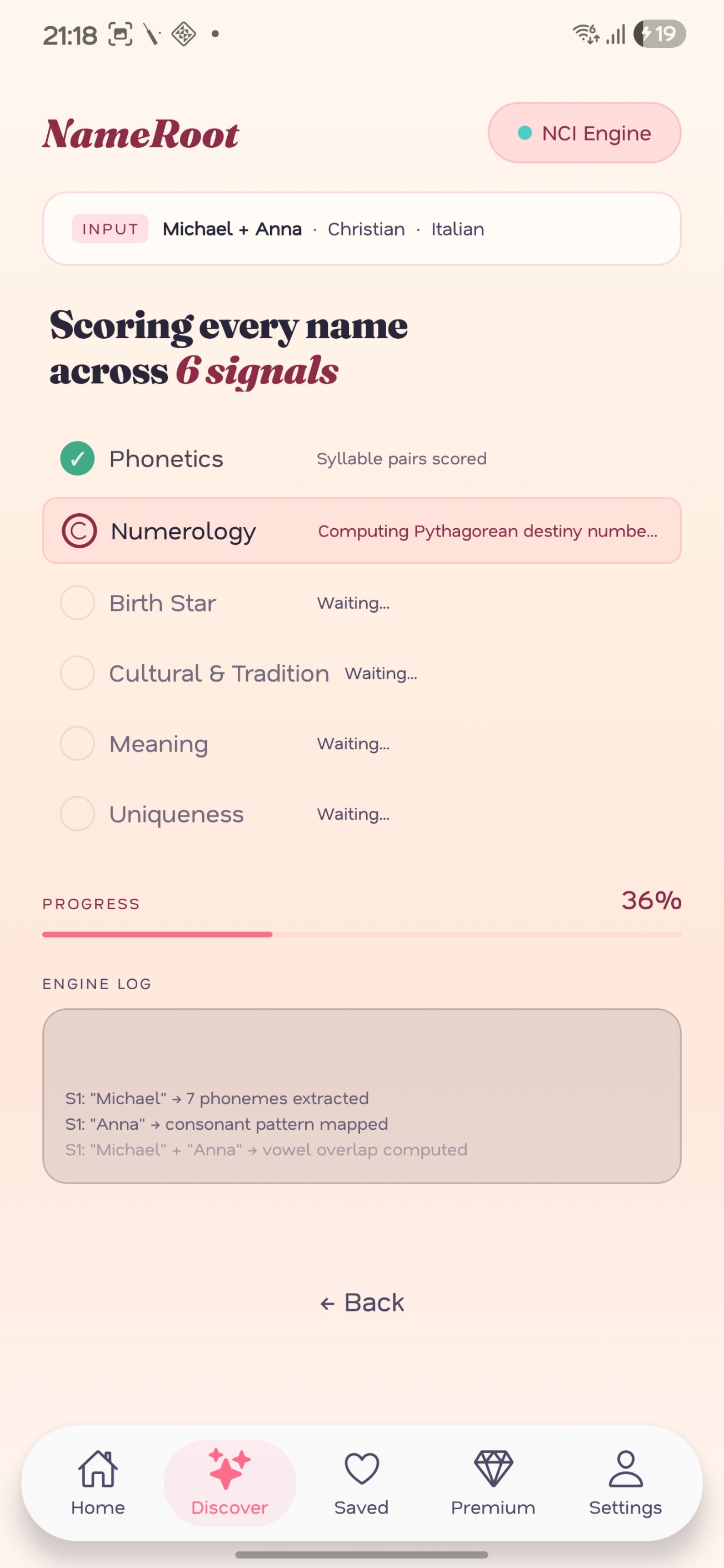
Six signals — scored for your family & heritage, not in the abstract:
Meaning & origin
Yes — Arpita is a Hindu girl name of Sanskrit origin, meaning “Dedicated, offered, surrendered to the divine with open hands — Arpita is the past participle of 'arpan' (offering), naming a child as something consecrated, given to God before she was given to the world”.
Arpita is a girl's name of Sanskrit origin, traditionally used in Hindu families. The name means "Dedicated, offered, surrendered to the divine with open hands — Arpita is the past participle of 'arpan' (offering), naming a child as something consecrated, given to God before she was given to the world" and belongs to the Divine cluster — names rooted in sacred meaning and spiritual tradition.
Common among Indian, Marathi, Bengali, Gujarati, Punjabi, Tamil, Telugu, Kannada, Malayali families, Arpita carries cultural weight that goes beyond its dictionary definition — it's a name with a story and a community.
Arpita's nakshatra & rashi
In Hindu tradition, a baby's name is chosen to harmonise with their nakshatra (birth star) and rashi (moon sign) — most often through an auspicious first syllable. Arpita opens with “Ar”. Whether that's auspicious for your baby depends on their exact date, time and place of birth.

NameRoot works it out for you. Enter your baby's birth details and see exactly which nakshatra and rashi Arpita aligns with — and how strongly it scores.
See Arpita's nakshatra reading →What does Arpita's numerology say?
Numerology assigns each name a single-digit destiny number by summing its letter values. Different schools use different mappings — NameRoot computes both so you can see how Arpita resonates in either tradition.
Arpita's destiny number is 11 — but a number only matters in context. The app matches it to your family's own numbers for a real compatibility read. See Arpita's full reading →
Does Arpita go with your family's names?
Arpita breaks into 6 sounds: /AH-R-P-IH-T-AA/. The real test isn't how it sounds alone — it's how it sounds beside the names already in your family: yours, your partner's, and any brothers or sisters. NameRoot scores that harmony, so Arpita sits naturally next to a Mum and Dad like Michael & Anna, or a big sister named Gianna — no awkward clashes, no two names that blur together. Hear Arpita beside your family's names →
Nicknames
Common affectionate forms of Arpita — useful for everyday family conversation, early childhood, or as standalone given names themselves.
Names similar to Arpita
If Arpita resonates with you, these names live in the same world — drawn from the same tradition, sharing the same meaning, or echoing a similar sound.
From the same tradition
Other Hindu girl names, common in Indian families
Sharing the same meaning
Other Hindu girl names from the Divine cluster
Names that sound similar
Hindu girl names that open with the same syllables as Arpita
Explore more names
Keep exploring names like Arpita — by tradition, by meaning, or by first letter.
Common questions about Arpita
What does the name Arpita mean?
Arpita means "Dedicated, offered, surrendered to the divine with open hands — Arpita is the past participle of 'arpan' (offering), naming a child as something consecrated, given to God before she was given to the world." It is a girl name of Sanskrit origin, traditionally used in Hindu families.
Is Arpita a boy or girl name?
Arpita is most commonly used as a girl name.
What is the origin of the name Arpita?
Arpita is of Sanskrit origin, used in Hindu tradition, commonly among Indian, Marathi, Bengali families.
Is Arpita a Hindu name?
Yes. Arpita is a girl name traditionally used in Hindu families, of Sanskrit origin.
What does Arpita mean in Sanskrit?
Arpita originates from Sanskrit, where it means "Dedicated, offered, surrendered to the divine with open hands — Arpita is the past participle of 'arpan' (offering), naming a child as something consecrated, given to God before she was given to the world."
What are common nicknames for Arpita?
Common short forms of Arpita include Arpi, Arpitu.
What is the numerology of Arpita?
Arpita has a Pythagorean destiny number of 11 — intuition and inspired leadership (master number).
What is Arpita's rashi and nakshatra?
By its first syllable "A", Arpita falls under the Krittika nakshatra and Mesha (Aries) rashi — its naam-rashi, or name-based moon sign. (A baby's birth nakshatra comes from their date and time of birth; NameRoot matches the two.)
See how Arpita scores for your family
NameRoot is the only baby-name app that scores every name across 6 signals against your specific family context. Download free — Arpita is waiting.
Get NameRoot — free